
What Is an HRV System? Fresh Air, Energy Efficiency & Everyday Comfort at 753 Glenn Ridge Drive
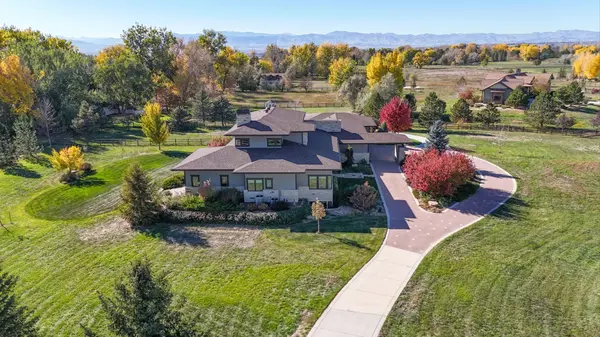
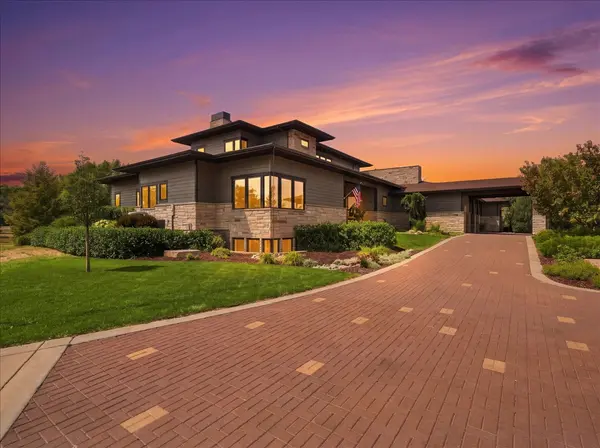
A 6,111-square-foot custom home on 2.3 acres in Fort Collins sounds like it would come with substantial heating and cooling bills, right? Not necessarily.
In fact, the homeowners of 753 Glenn Ridge Drive shared something that surprised us: Despite being the largest home they've ever owned, it has had the lowest heating and cooling costs of any home they've lived in.
That's quite a statement for a home of this size!
While several features contribute to the home's energy performance, including its passive solar design, one worth understanding is its Heat Recovery Ventilation (HRV) system.
What Is an HRV System, and How Does It Work?
An HRV, or Heat Recovery Ventilator, is a mechanical ventilation system that brings fresh outdoor air into a home while exhausting stale indoor air.
Here's what makes it different from simply opening a window: Before the stale air leaves the house, the HRV transfers some of its heat to the incoming fresh air.
During Northern Colorado's colder months, this means fresh outdoor air can enter the home already partially warmed, reducing the amount of additional heating required.
During warmer weather, the process can work in reverse, helping reduce the heat brought indoors with ventilation air when the interior is cooler than outside.
At 753 Glenn Ridge, the home features a Venmar Constructo 1.0 HRV, designed to provide ventilation while recovering a portion of the energy that would otherwise be lost.
The Lifestyle Benefits: Fresh Air Without Sacrificing Comfort
One of the biggest advantages of an HRV system is something you may not immediately notice: the air you're breathing.
Modern homes are often built to limit uncontrolled air leakage, which is great for efficiency but makes intentional ventilation increasingly important.
An HRV can help:
-
Improve indoor air quality by replacing stale indoor air with fresh outdoor air and helping remove odors, moisture, and some indoor pollutants.
-
Maintain more consistent comfort by tempering incoming outdoor air rather than introducing it directly at outdoor temperatures.
-
Reduce ventilation-related energy losses by recovering heat that would otherwise escape.
-
Provide fresh air during colder months without relying solely on open windows.
For a home designed around natural light, beautiful outdoor surroundings, and the principles of Frank Lloyd Wright-inspired architecture, this system is another example of thoughtful design supporting everyday living.
What About Energy Bills? Let's Look at the Numbers.
Heating and cooling a 6,111-square-foot home is no small consideration.
According to utility records provided for 753 Glenn Ridge Drive, the home has experienced the following average monthly costs:
| Utility | Average Monthly Cost |
|---|---|
| Poudre Valley REA (Electricity) | $178 |
| Xcel Energy (Gas) | $98 |
| Combined Average | Approximately $276/month |
These figures reflect historical utility billing periods and include household energy uses beyond heating and cooling. Actual costs will vary based on weather, occupancy, energy rates, and personal usage.
It's important to understand that an HRV doesn't automatically lower electricity bills. Its fans consume electricity, and the system requires periodic maintenance. However, by recovering heat from outgoing air, it can reduce the heating energy needed to provide fresh-air ventilation.
The home's passive solar architecture, windows, insulation, HVAC equipment, and how the homeowners operate the property also contribute to overall energy performance.
We can't attribute the home's utility costs to the HRV alone, but the homeowners' experience is certainly worth sharing.
Are There Any Downsides to an HRV System?
Like any mechanical system, an HRV comes with responsibilities.
Regular maintenance: Filters and the heat recovery core require periodic cleaning, typically every six months, with additional inspections as recommended by the manufacturer.
Electricity consumption: The ventilation fans use electricity, even when heating or cooling isn't needed.
Noise and airflow: Depending on installation and fan settings, occupants may notice some operating noise or airflow.
Seasonal limitations: An HRV transfers heat, not moisture. It doesn't replace air conditioning, heating, or a dedicated humidity-control system. During hot or humid weather, ventilation settings may need adjustment for comfort and efficiency.
The system at 753 Glenn Ridge was labeled in 2014. Its current operating condition and maintenance history have not yet been verified.
Thoughtful Design Goes Beyond What You Can See
What makes 753 Glenn Ridge Drive special isn't just its Colorado Buff sandstone, hickory hardwood floors, soaring windows, or incredible connection to its 2.3-acre setting.
It's also the systems and architectural choices working behind the scenes.
From passive solar principles to heat recovery ventilation, this custom home was designed with consideration for the relationship between indoor comfort, energy use, and the surrounding environment.
And when the homeowners tell us their largest home has also been their least expensive to heat and cool, that's a detail worth paying attention to.
Curious about 753 Glenn Ridge Drive in Fort Collins?
We'd love to show you the home, walk you through its unique features, and share the actual utility records so you can better understand what ownership looks like.
Juliana & Dan Blonder
The Blonder Group | eXp Realty
www.theblonders.com
Utility figures are historical averages, not guarantees of future expenses. Equipment performance and operating condition should be independently verified.
Categories
Recent Posts